Indigenous Knowledge for Development: Primitive or Powerful?
ndigenous Knowledge for Development: Primitive or Powerful?
For decades, indigenous knowledge and cultural practices have been dismissed by many as primitive or outdated. In post-colonial Kenya, being modern often meant distancing ourselves from anything that resembled traditional life. We avoided speaking our mother tongues, avoided using our native names, and associated indigenous practices with backwardness.
I remember growing up during a time when speaking in vernacular at school could earn you a punishment. Native names were replaced with English ones, and practices from our grandparents were regarded as relics of a time best forgotten. Yet, ironically, it is from these same practices that we can now draw some of the most sustainable, practical solutions to today’s development challenges.
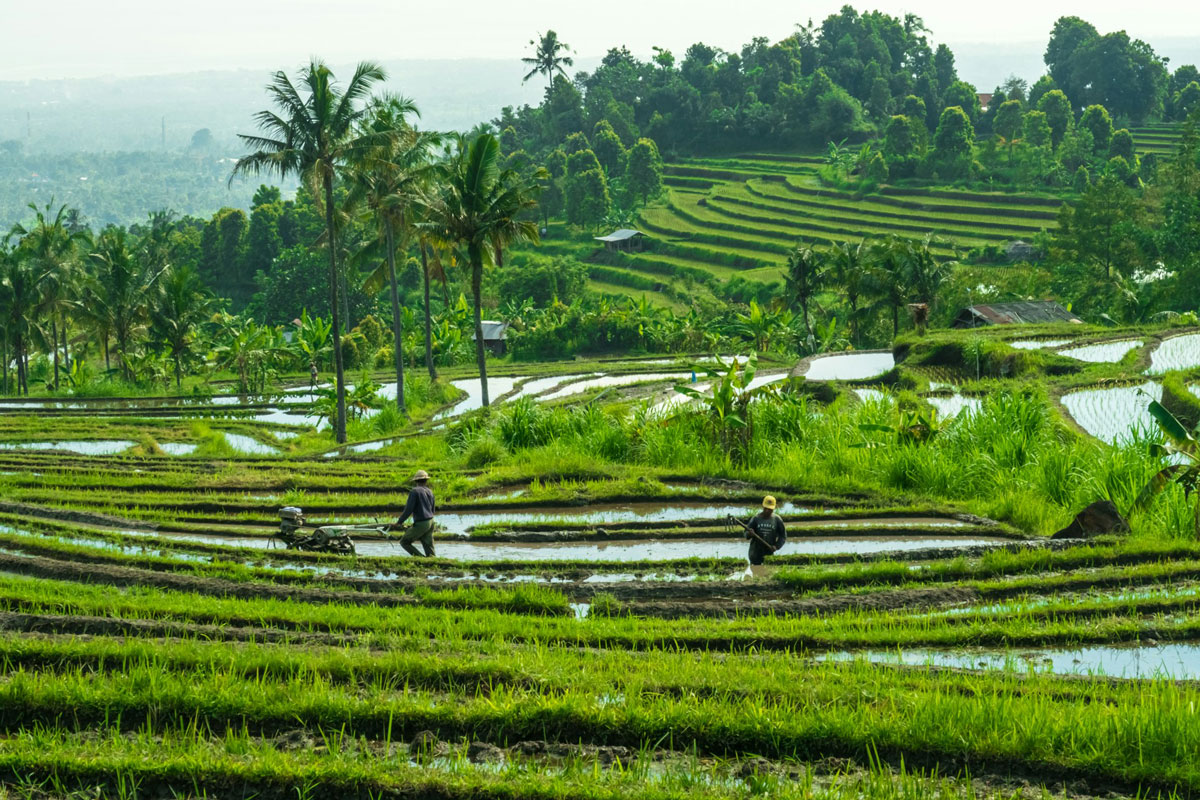
Looking back, I recall how my grandparents used traditional knowledge in governance, food production, storage, and even in how they resolved conflicts and taught values through oral narrative and storytelling. Passing value systems and knowledge from one generation to the next. Food was not just grown and eaten, it was handled with foresight. Harvests were carefully sorted: some portions were set aside for immediate consumption, some stored, and others preserved specifically as seed stock for the next planting season.
To eat the seed stock was unthinkable, it was a sign of desperation, perhaps after a failed harvest or prolonged drought. But more than that, it reflected a community’s understanding of sustainability. They knew that eating the future meant starving tomorrow.
Seeds were not selected randomly. There was a criteria for choosing the best seed. These weren’t written in manuals but were passed down orally and through practice Today, as we grapple with climate change and food insecurity, such indigenous knowledge systems are proving vital in building resilience, especially among smallholder farmers.
Indigenous knowledge is not just cultural nostalgia, it is a structured, tested system of innovation, developed over generations in harmony with the local environment. In a world increasingly turning to sustainability, it is time we re-evaluate what development looks like.
As we program using modern technology and ideology, we can still learn from ingenious knowledge, pick some good practices and preserve the same by documenting it, which sadly was missing in the traditional knowledge transfer.
Reclaiming and valuing indigenous knowledge is not a call to reject modern science or technology. Rather, it’s about integrating the two. For example, agricultural extension programs could be more effective if they partnered with local elders to align new techniques with traditional farming calendars and ecological indicators.
Modern education and indigenous knowledge do not have to be at odds. In fact, combining both creates a richer, more contextually relevant foundation for development. A young engineer from Turkana can design a solar-powered water pump, but if she consults the community’s traditional knowledge about water sources and seasonal migration patterns, her project stands a far better chance of success.
Kenya’s Vision 2030 emphasizes inclusive development, and this must include cultural heritage and local knowledge systems. Whether it’s in healthcare (like using medicinal plants), climate adaptation (like traditional rain forecasting), or natural resource management (like community-based conservation), we are surrounded by living libraries of wisdom.
We must document, protect, and promote this knowledge—not as museum pieces, but as dynamic, evolving systems that can help us solve present-day problems. Universities, policymakers, and local leaders must work together to integrate indigenous knowledge into curricula, development plans, and national policies.
The future of Kenya’s development is not in choosing between modernity and tradition. It is in blending them intelligently. Indigenous knowledge, far from being primitive, offers practical, sustainable, and time-tested solutions that align with the needs of both people and the planet.
As we move forward, let us remember: there is wisdom in the past that can shape a more sustainable future. It’s not a matter of returning to old ways, but of building on them to create a development path that is uniquely Kenyan, deeply rooted, and forward-looking.